Buy on
Shopee
Buy on
TikTok
Shop
Metas
News
Contact us
…
Shop
Metas
News
Contact us
Login
Buy on
Shopee
Buy on
TikTok
Shop
Metas
News
Contact us
…
Shop
Metas
News
Contact us
Login
OTC与药品 - Nature Blends
All
OTC与药品
口服保健
滋补食品
护肤与个护
Buy now
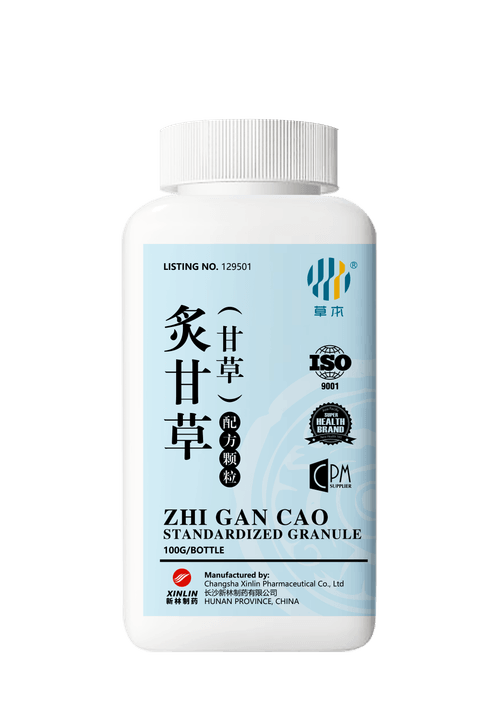
炙甘草(甘草)配方颗粒
根据常见中医药资料,甘草多记载为甘,平;炙甘草为甘草经蜂蜜拌炒后的炮制品之一。炙制后,在中医应用中更常见于相关辨证配伍中,常用于补脾益气、缓急止痛、润肺止咳、调和诸药等调理思路下使用。与生甘草相比,炙甘草在传统应用中更偏向补益中焦与和中缓急方向。实际使用方式及是否适合个人体质,应以专业中医师辨证建议为准。<br><br>According to common TCM references, licorice root is generally described as sweet and neutral in nature, while Zhi Gancao refers to the honey-fried processed form of licorice. In traditional herbal practice, this processed form is more commonly included in formulas related to tonifying spleen qi, relieving spasms and pain, moistening the lungs, easing cough, and harmonizing other herbs in a formula. Compared with raw licorice, honey-fried licorice is traditionally regarded as more tonifying and moderating in direction. Actual use should be based on individual constitution and professional guidance.
S$99.00
Buy now
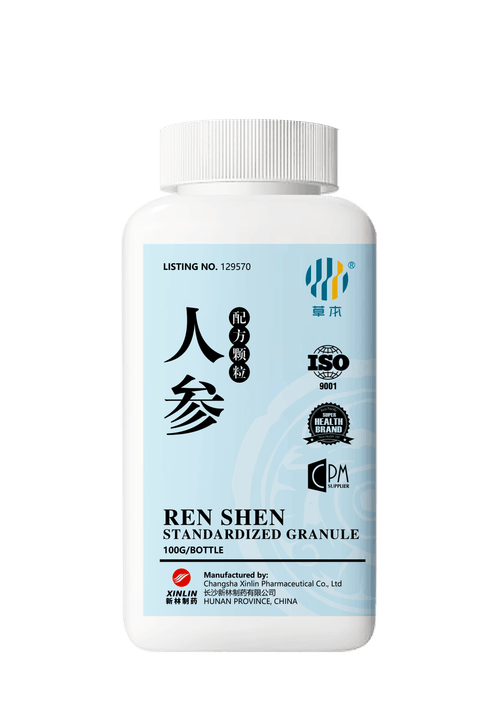
人参配方颗粒
根据常见中医药资料,人参为五加科植物 人参 Panax ginseng C. A. Mey. 的干燥根和根茎。其性味多记载为 甘、微苦,微温,常见归经表述为归 脾、肺、心、肾经。在中医应用中,人参多用于相关辨证配伍,常见于 大补元气、补脾益肺、生津养血、安神益智 等调理思路下使用,也常用于体虚欲脱、脾虚食少、肺虚喘咳、津伤口渴及气血亏虚等辨证方向中的配伍应用。实际使用方式及是否适合个人体质,应以专业中医师辨证建议为准。<br><br>According to common TCM references, Ginseng is the dried root and rhizome of Panax ginseng C. A. Mey. It is generally described as sweet, slightly bitter, and slightly warm in nature, and is commonly associated with the Spleen, Lung, Heart, and Kidney meridians. In traditional herbal practice, it is often included in formulas related to strongly tonifying source qi, supporting the spleen and lungs, generating fluids, nourishing blood, and calming the spirit. Actual use should be based on individual constitution and professional guidance.<br><br>
S$99.00
Buy now
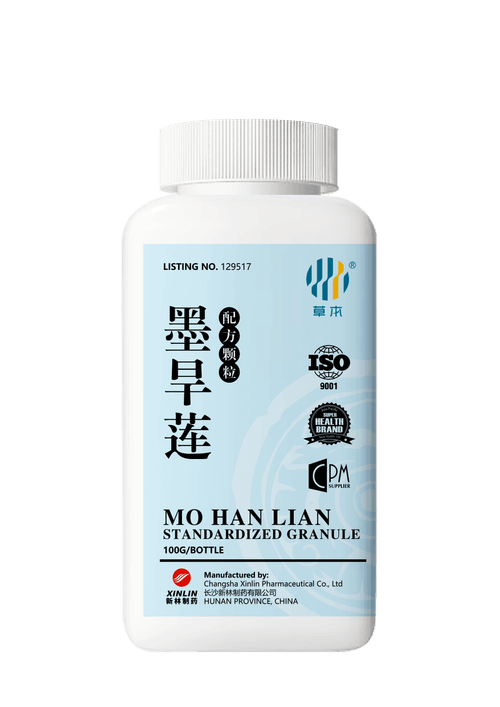
墨旱莲配方颗粒
根据常见中医药资料,墨旱莲为菊科植物鳢肠 Eclipta prostrata L. 的干燥地上部分,习称墨旱莲。其性味多记载为甘、酸,寒,常见归经表述为归肝、肾经。在中医应用中,多用于相关辨证配伍,常见于滋补肝肾、凉血止血等调理思路下使用,也常用于肝肾阴虚、眩晕耳鸣、腰膝酸软及阴虚血热相关辨证方向中的配伍应用。实际使用方式及是否适合个人体质,应以专业中医师辨证建议为准。<br><br>According to common TCM references, Mo Han Lian is the dried aerial part of Eclipta prostrata L., known in pharmacopoeial Latin as Ecliptae Herba. It is generally described as sweet, sour, and cold in nature, and is commonly associated with the Liver and Kidney meridians. In traditional herbal practice, it is often included in formulas related to nourishing the liver and kidneys and cooling the blood to help stop bleeding, especially in pattern-based applications involving liver-kidney deficiency or heat-related bleeding presentations. Actual use should be based on individual constitution and professional guidance.
S$99.00
Buy now
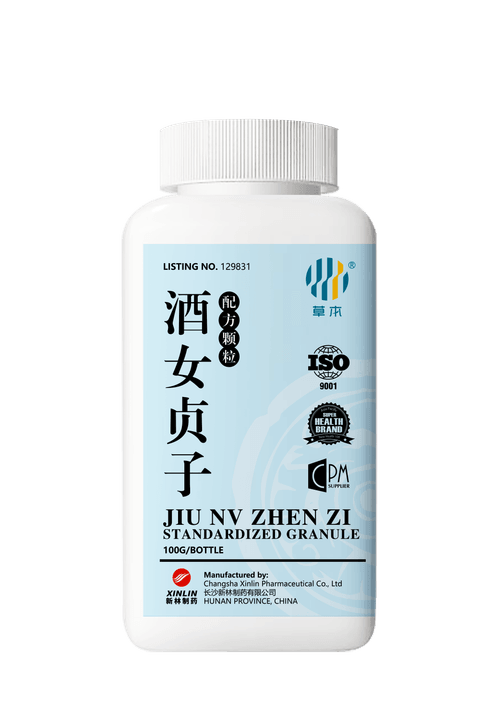
酒女贞子配方颗粒
根据常见中医药资料,女贞子多记载为甘、苦,凉,常见归经表述为归肝、肾经。酒女贞子为女贞子经黄酒炮制后的饮片形式之一,常见炮制方法为以黄酒拌匀后闷润、蒸制至酒被吸尽,再取出晾干。中医应用中,多用于相关辨证配伍,常见于滋补肝肾、明目乌发等调理思路下使用,也常用于肝肾不足、眩晕耳鸣、腰膝酸软、须发早白等辨证方向中的配伍应用。中医炮制理论中,酒制常用于缓和部分药性的偏寒滑之性,并增强其补益肝肾相关的应用取向。实际使用方式及是否适合个人体质,应以专业中医师辨证建议为准。<br><br>According to common TCM references, Nüzhenzi is generally described as sweet, bitter, and cool in nature, and is commonly associated with the Liver and Kidney meridians. Wine-processed Nüzhenzi is one of its processed forms, typically prepared by moistening the herb with yellow rice wine and steaming it until the wine is fully absorbed, then drying it. In traditional herbal practice, it is commonly used in formulas related to nourishing the liver and kidneys, supporting the eyes, and helping maintain healthy-looking hair. In TCM processing theory, wine processing is commonly used to moderate some of the herb’s cooler and smoother properties and to enhance its traditional liver-kidney tonifying direction. Actual use should be based on individual constitution and professional guidance.
S$99.00
Buy now
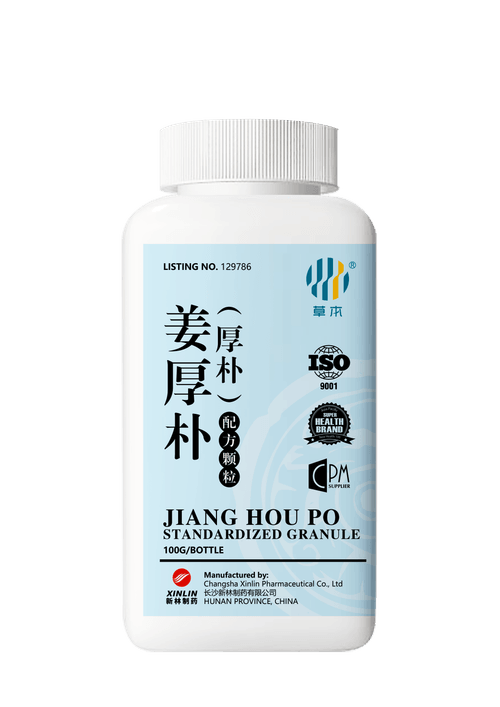
姜厚朴(厚朴)配方颗粒
根据常见中医药资料,厚朴来源于木兰科植物 Magnolia officinalis 或凹叶厚朴 Magnolia officinalis var. biloba 的干燥干皮、根皮及枝皮。其性味多记载为 苦、辛,温,常见归经表述为归 脾、胃、肺、大肠经。姜厚朴为厚朴经生姜炮制后的饮片形式之一,在中医应用中多用于相关辨证配伍,常见于 燥湿消痰、下气除满、和胃止呕 等调理思路下使用,也常用于湿滞中焦、脘腹胀满、食积气滞或痰湿气逆等辨证方向中的配伍应用。<br><br>According to common TCM references, Houpo is the dried bark, root bark, or branch bark of Magnolia officinalis or Magnolia officinalis var. biloba. It is generally described as bitter, acrid, and warm in nature, and is commonly associated with the Spleen, Stomach, Lung, and Large Intestine meridians. Ginger-processed Houpo is one of its processed forms used in traditional herbal practice and is often included in formulas based on professional pattern differentiation. It is commonly associated with traditional herbal use in approaches related to drying dampness, reducing phlegm, directing qi downward, relieving fullness, and harmonizing the stomach.
S$99.00
Buy now
2btouched Chaulmoogra Oil 大枫子油
一种传统中药外用剂,旨在祛风除湿、润肤止痒,专业针对血燥风湿引起的各种顽固性皮肤炎症、真菌感染及症状,是家庭常备的皮肤健康守护方案。<br><br>A traditional Chinese medicine topical solution designed to dispel wind, remove dampness, moisturize, and relieve itching, specifically targeting stubborn skin inflammations, fungal infections, and pruritus caused by blood dryness and wind-dampness.
S$19.00 - S$150.00
Buy now
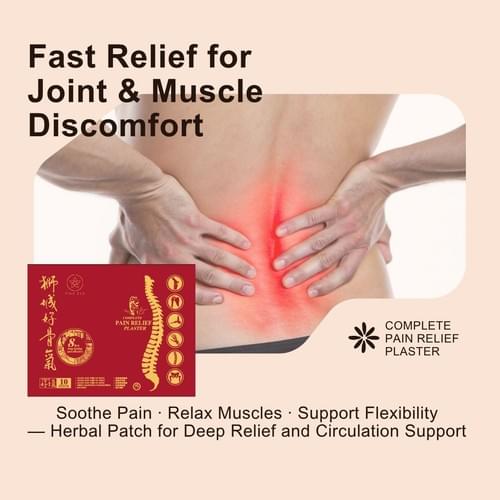
Complete Pain Relief Plaster 复合止痛膏药贴
Complete Pain Relief Plaster 草本舒缓止痛贴布<br>针对关节痛、腰背酸痛、肌肉劳损与风湿骨痛而设计,通过18味草本配方帮助活血化瘀、舒筋通络,带来更持久的外用舒缓体验。<br>Complete Pain Relief Plaster is designed for joint pain, back soreness, muscle strain, and rheumatic discomfort, using an 18-herb formula to support circulation, ease pain, and improve local comfort.
S$39.00 - S$99.00
订单满100即可享受免费配送
Free Delivery on Orders Over $100
All
OTC与药品
口服保健
滋补食品
护肤与个护
Load More
Powered By
Cookie Use
We use cookies to ensure a smooth browsing experience. By continuing we assume you accept the use of cookies.
Accept
Learn More